


The Neapolitan Sip-List: 8 Cultural Gems and the Wines to Drink After
Naples isn’t a city of moderation—it’s volcanic ash, Baroque gold, and street art stacked together like a glorious sfogliatella riccia. To really understand it, you don’t just look: you taste its soul. Think of this as your post-cultural ritual guide, matching museums, chapels, and cloisters with the perfect Campania wine pour.
Karen Phillips
4/30/20263 min read
Naples isn’t a city of moderation—it’s volcanic ash, Baroque gold, and street art stacked together like a glorious sfogliatella riccia. To really understand it, you don’t just look: you taste its soul. Think of this as your post-cultural ritual guide, matching museums, chapels, and cloisters with the perfect Campania wine pour.
Because in Naples, the aftertaste is part of the story. Whether you are a history buff or a modern rebel, here is how to pair your Neapolitan discoveries with the perfect glass of local wine once the museum doors close.
The Sophisticated Historian: Statues and Structure
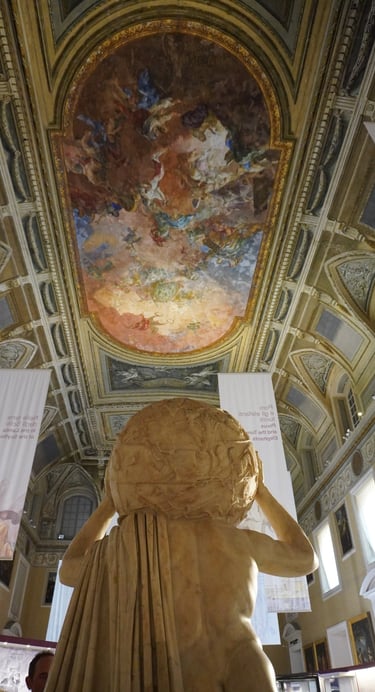
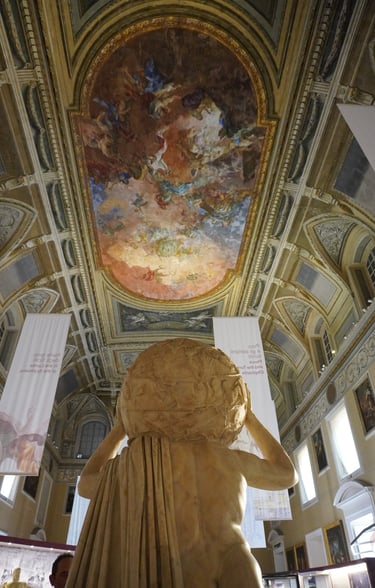
If your idea of a perfect afternoon is getting lost in the MANN (National Archaeological Museum), you are our Sophisticated Historian. After you’ve stood in the shadow of the Farnese Hercules—a statue defined by raw, muscular power—you need a wine that can match that intensity.
Head to a nearby enoteca and order a Taurasi DOCG. This Aglianico-based red is monumental. It is structured, tannic, and built to age for decades, much like the Roman marble you just admired. It’s a wine for reflecting on the weight of millennia.
The Mystic Wanderer: Veils and Volcanic Tears
Next, slip into the spell of the Cappella Sansevero, home to the Veiled Christ—a sculpture that looks like hard stone got talked into becoming translucent silk. It’s one of those “how is this even possible?” moments that makes you whisper without meaning to.
The perfect pairing is Lacryma Christi del Vesuvio Bianco, tied to the legend that vines sprang from Christ’s tears on the slopes of Vesuvius. The wine itself feels like a soft miracle: salty, a little smoky, and oddly ethereal—grown in volcanic ash, with the sea breeze basically baked into the sip.
The Art Rebel: Sculpting the Future in the Sanità
For a Naples mood shift, head into Rione Sanità, where the city’s pulse feels closer and the creativity hits you at street level. The Jago Museum is the headline act: contemporary sculptures that somehow make a Baroque church feel even more alive.
Pair it with Asprinio d’Aversa, a local white with a wild party trick—its vines are trained vertically, climbing 15-meter poplar trees like they’re trying to escape gravity. In the glass, it’s electric: bracingly acidic, citrusy, and daring, matching the high-voltage energy of the Sanità like it was made for this exact walk.
The Sunlight Seeker: Majolica and Minerals
For the Sunlight Seeker, Naples is all about the Mediterranean glow. There is no better place to find it than the Majolica Cloister of Santa Chiara. The yellow and blue tiles depict a breezy, pastoral life that feels like a dream amidst the city's chaos.
Once you emerge from the cloister, find a sun-drenched terrace and ask for a Greco di Tufo DOCG. This is a powerful, golden white wine with a distinct saline finish. It tastes like sea spray and toasted almonds, capturing the exact "gold and blue" aesthetic of the Santa Chiara gardens in a single glass.
The Baroque Romantic: Chiaroscuro and Kings
If you find beauty in the dramatic and the theatrical, you belong at Pio Monte della Misericordia to witness Caravaggio’s "The Seven Works of Mercy." After soaking in those deep shadows and piercing lights, you need a wine with equal drama: Pallagrello Nero.
Once a favorite of the Bourbon kings, this rare red is velvety, intense, and dark. It’s an aristocratic wine for a traveler who appreciates a bit of Baroque flair and a complex story.
The Culinary Detective: Tunnels and Traditions
The Culinary Detective knows that the real Naples is hidden. After exploring the Galleria Borbonica (Bourbon Tunnel)—the city's literal "guts"—you need a wine that is grounded and ancient.
Seek out a glass of Coda di Volpe (Tail of the Fox). This historic, versatile white has sustained Neapolitans for centuries. It’s honest, salty, and dependable—the perfect "working" wine to toast your subterranean discovery.
The Urban Zen Seeker: Silence Above the Gulf
Climb up to the Certosa di San Martino, a monastery perched high above the city where Naples suddenly goes quiet. It’s the kind of place that makes you realize the city isn’t just chaos; it’s also perspective.
Pair it with Fiano di Avellino DOCG, often considered the most sophisticated Campanian white. It’s quiet, floral, and refined, with subtle honey and hazelnut notes that linger like a deep breath. It’s a “Zen” finish in wine form—no fireworks, just pure, polished calm.
The Underground Explorer: Soil and Soul
Finally, for those who aren't afraid of the dark, the Catacombs of San Gennaro await. This is the foundation of the city, carved out of volcanic tuff.
After your tour, find a local bar for a glass of Piedirosso (Per’ e Palummo). Known as the "soul" wine of Naples, it is light-bodied but deeply earthy. It literally tastes like the volcanic soil you just walked through, providing a final, literal taste of the city’s roots.
The Takeaway: In Naples, art doesn’t stay on walls and history doesn’t stay in the ground—it’s in the glass. Next time you finish a museum tour, head to the nearest wine bar and sip the rest of the story. Trust me: the city tastes even better when you let it linger.
MANN Naples, Italy.